
The short version
How the scale works, in four paragraphs.
In 1912, American pharmacist Wilbur Lincoln Scoville was working for the Parke-Davis pharmaceutical company when he developed the first standardized test for chili pepper heat. He called it the Scoville Organoleptic Test, and the unit it produced became the Scoville Heat Unit (SHU).
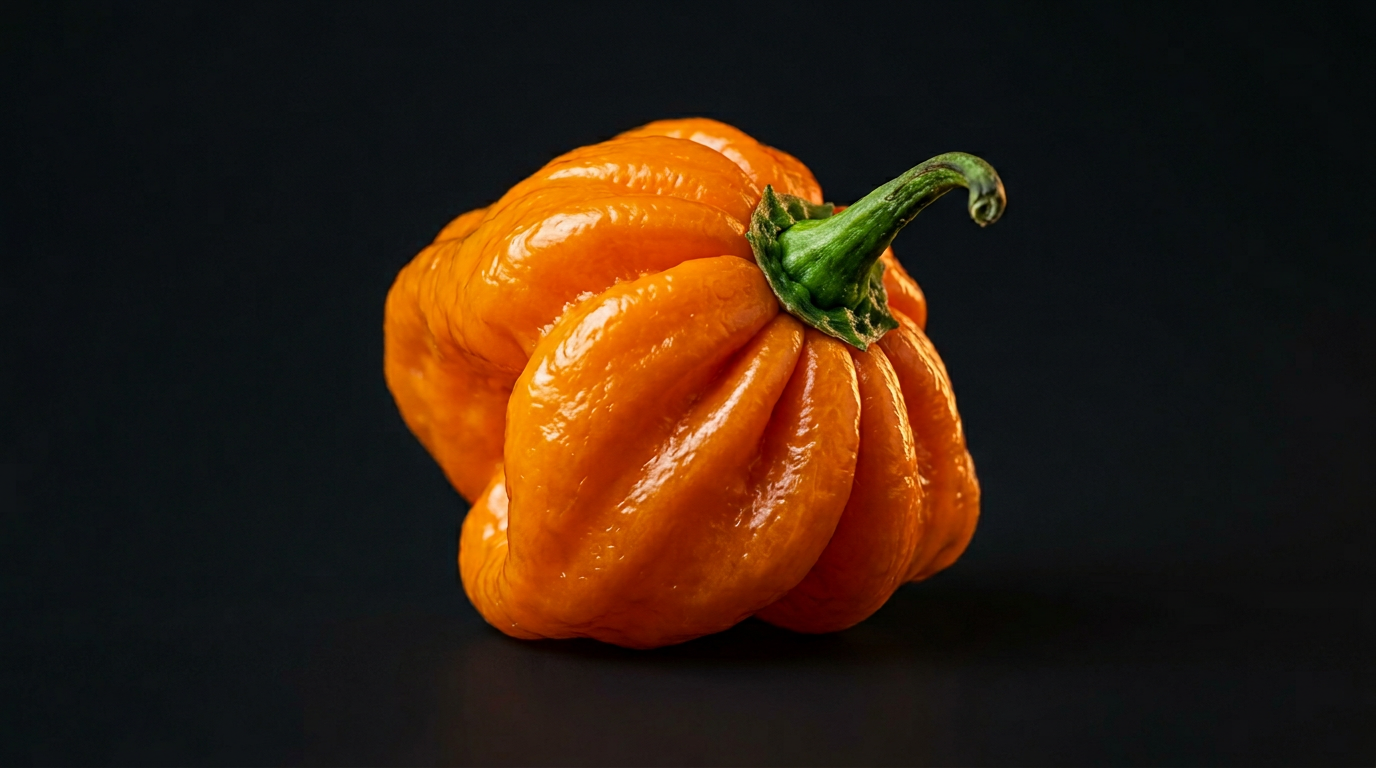
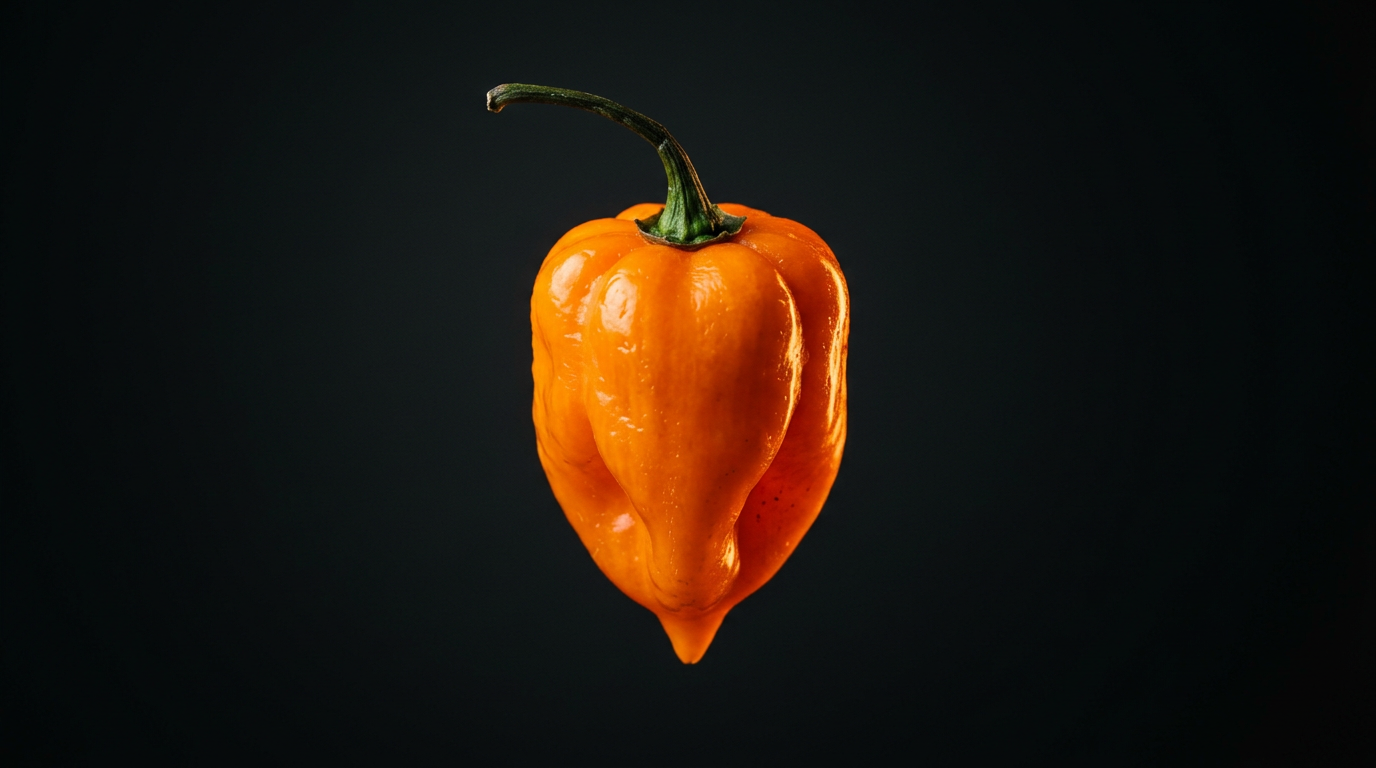
The original test was simple and subjective: a pepper extract was diluted in sugar water until a panel of trained tasters could no longer detect the heat. The ratio of sugar water to pepper extract at the point of no detection became the SHU rating. A bell pepper required no dilution (0 SHU). A Habanero required 100,000+ parts of sugar water per part of extract (100,000+ SHU).
Modern labs replaced the tongue panels with High-Performance Liquid Chromatography (HPLC), which measures capsaicinoid concentration directly. HPLC results are reported in parts per million and then converted to a Scoville equivalent. The scale stuck. The method changed.
One important thing the scale does not capture: flavor. Two peppers at the same SHU can taste wildly different — aroma, fruit notes, oil content, and how the burn builds and fades are all independent of the raw number. The SHU tells you how hot. It does not tell you how good.