
Skip to content

Medium-Hot · 100,000 – 350,000 SHU

Habanero

The workhorse of the super-hot family — citrus-forward, clean heat, and endlessly versatile on the shelf.

Origin
Yucatán Peninsula, Mexico
Peak heat
350,000
Heat band
Medium-Hot
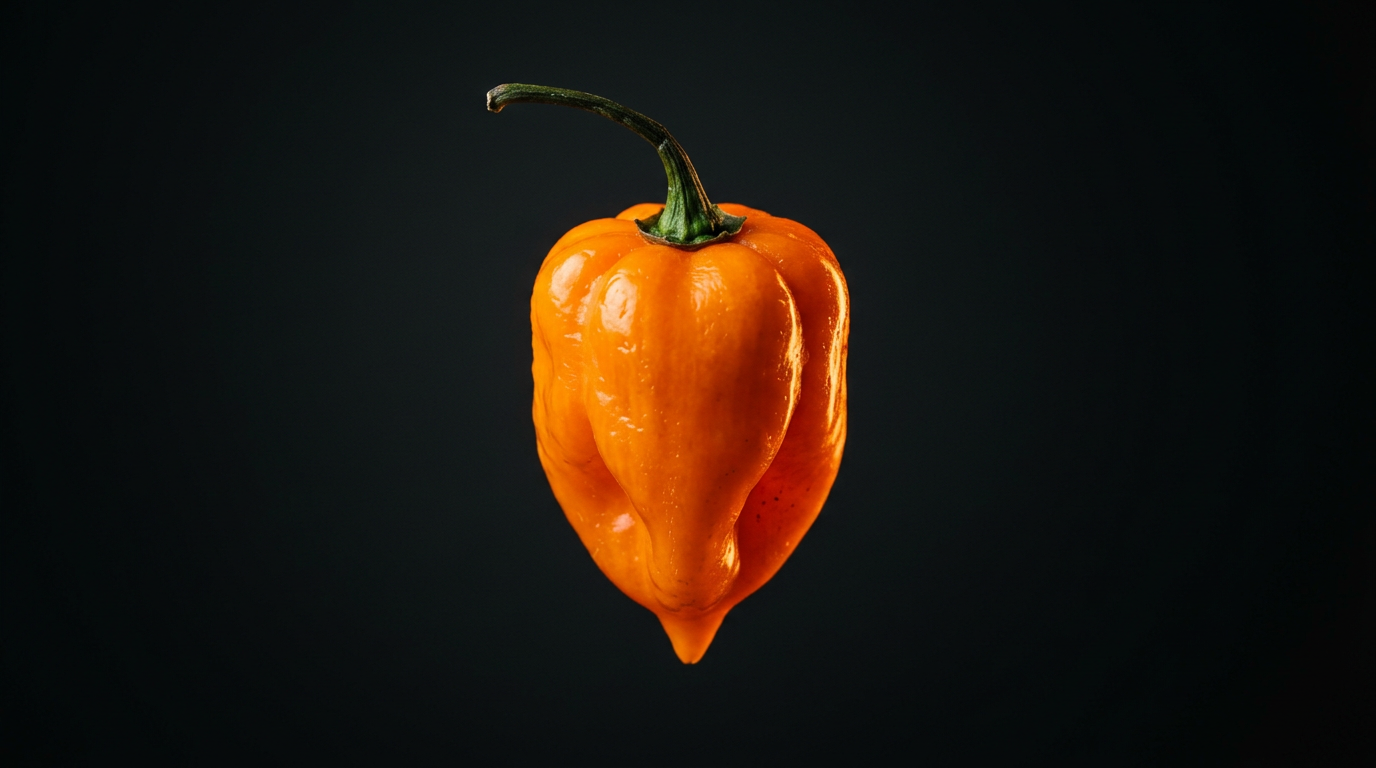
A single fresh bright orange Habanero pepper with its classic lantern shape and attached green stem, photographed against a dark charcoal background.

About the pepper

The Habanero is the most widely grown chili in the chinense family and the reference point for everything hotter. It took root in the Yucatán Peninsula and spread through the Caribbean, Central America, and eventually into every hot sauce aisle on earth.

Habanero flavor is brighter and more citrus-forward than Scotch Bonnet — think orange peel, a hint of apricot, and a lightly grassy note. The heat climbs fast, peaks on the front of the tongue, and fades cleanly. That clean fade is what makes Habanero the most versatile super-hot pepper for sauce work.

Habanero sauces balance exceptionally well with tropical fruit (pineapple, mango, peach) and with vinegary brines. If you want a sauce that reads as "approachable but unmistakably hot," Habanero is almost always the right answer.

Also known as

Capsicum chinense, Orange Habanero

On the shelf

Find the Habanero in this Harmony bottle.

Every Harmony sauce is hand-crafted in small batches in Spring, Texas — built to put the pepper first, with fruit and acid balancing the heat.

Good to know

Facts about the Habanero.

Quick facts, trivia, and context worth knowing before you reach for the bottle.

Fact 1

Habanero heat is usually measured in the 100,000–350,000 SHU band, but the Red Savina variant once held the Guinness record at over 570,000 SHU.

Fact 2

Mexican law protects the name "Chile Habanero de la Península de Yucatán" as a denomination of origin.

Fact 3

Despite the name, Habaneros are not grown heavily in Havana — the name references trade with the city, not cultivation there.

Keep exploring

More peppers on the scale.

Harmony grows and blends a wide range of cultivars — each brings a different place on the Scoville Scale and a different flavor to the bottle.